I’m Gino Cosme, a gay psychotherapist. I’ve worked with gay men for more than ten years. More about me
Online, one-to-one, in English · First session: 60 minutes, €135
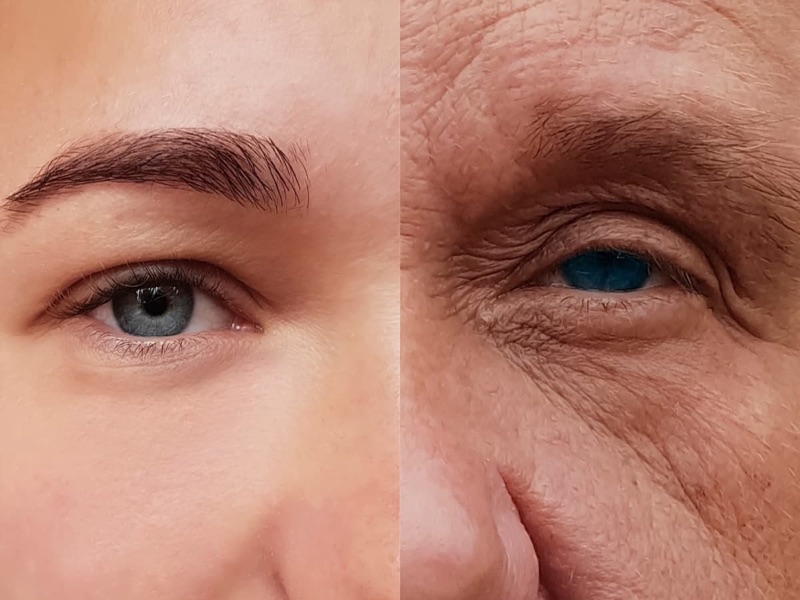
Online individual therapy for gay men
You walk into a bar you’ve known for twenty years and realise nobody is looking at you. The apps have gone quiet. At a birthday dinner you notice you’re the oldest man at the table by some distance, and that the stories you could tell would need too much explaining.
Your first session.
I’m Gino Cosme, a gay psychotherapist. I’ve worked with gay men for more than ten years. More about me
Online, one-to-one, in English · First session: 60 minutes, €135
Working with me
Getting older can also mean noticing who isn’t there. If you lived through the worst years of AIDS, you may have lost much of your social world before you were thirty and met few people since who know what that was like. Or you’re fifty, single or recently separated, and wondering who will be around in twenty years. I’d want to understand which of these is closest to home for you.
Many gay men reach fifty having seen very few gay men grow old. A generation that might have shown you how was lost to AIDS, and gay culture has mostly been organised around being young. So I might ask what you once imagined your life would look like now, and where that picture came from. Often there wasn’t one, and you’ve been improvising for longer than you realise.
Grief that has had little room
If you came of age during the AIDS crisis, some of what you carry belongs to a whole generation. Ways of coping that got you through then, such as keeping busy and not dwelling on it, may still be running decades later. We can take that history seriously and go at the pace you choose. Grief like this rarely fits the usual models, because it was never a single loss.
Chosen family later in life
Your support may rest on friends more than on relatives, or on one partner you can’t imagine being without. That can work very well. It can also feel fragile when friends move away or fall ill. We might look at who you’d call in a difficult week, and what has made new friendships harder to start at this age. Sometimes the work is about letting yourself want more connection than you currently ask for.
Your question
Yes, and it’s very common. Gay culture tends to treat youth as the main measure of desirability, and many men notice the shift somewhere between 35 and 50. The feeling usually reflects the spaces you’re in. It can still hurt a great deal, and it’s worth talking about.
Surveys in the UK and the US have found that older gay men are more likely to live alone and less likely to have children than straight men of the same age. Many lost friends to AIDS, and some are distant from their families. A social life built around bars and apps also thins out with age, often before anything replaces it.
Yes. Grief from those years is often for whole friendship groups as well as particular people, and many men coped by setting it aside for a long time. Therapy gives that history room, at a pace you set, with someone who takes it seriously.
No. Many gay men form some of their closest friendships later in life, often after a separation or retirement. It usually takes more deliberate effort than it did at 25, and therapy can help with whatever makes that effort feel risky.
Yes. There is no upper age limit. Sessions are online by secure video, so all you need is a quiet room and a device with a camera. If you live in one of the countries where I offer therapy, you can book directly.
Booking
Payment is non-refundable and cancelling needs 72 hours’ notice. Full terms.